November 23, 2026
New flooring can transform the appearance, comfort, and functionality of your home. From classic hardwood to durable tile and comfortable carpet, the right material can complement each room while meeting your household's needs. Understanding your options and the advantages of professional flooring installation can help you make informed decisions.
Understanding Different Types of Flooring
Hardwood Flooring: A Timeless Classic
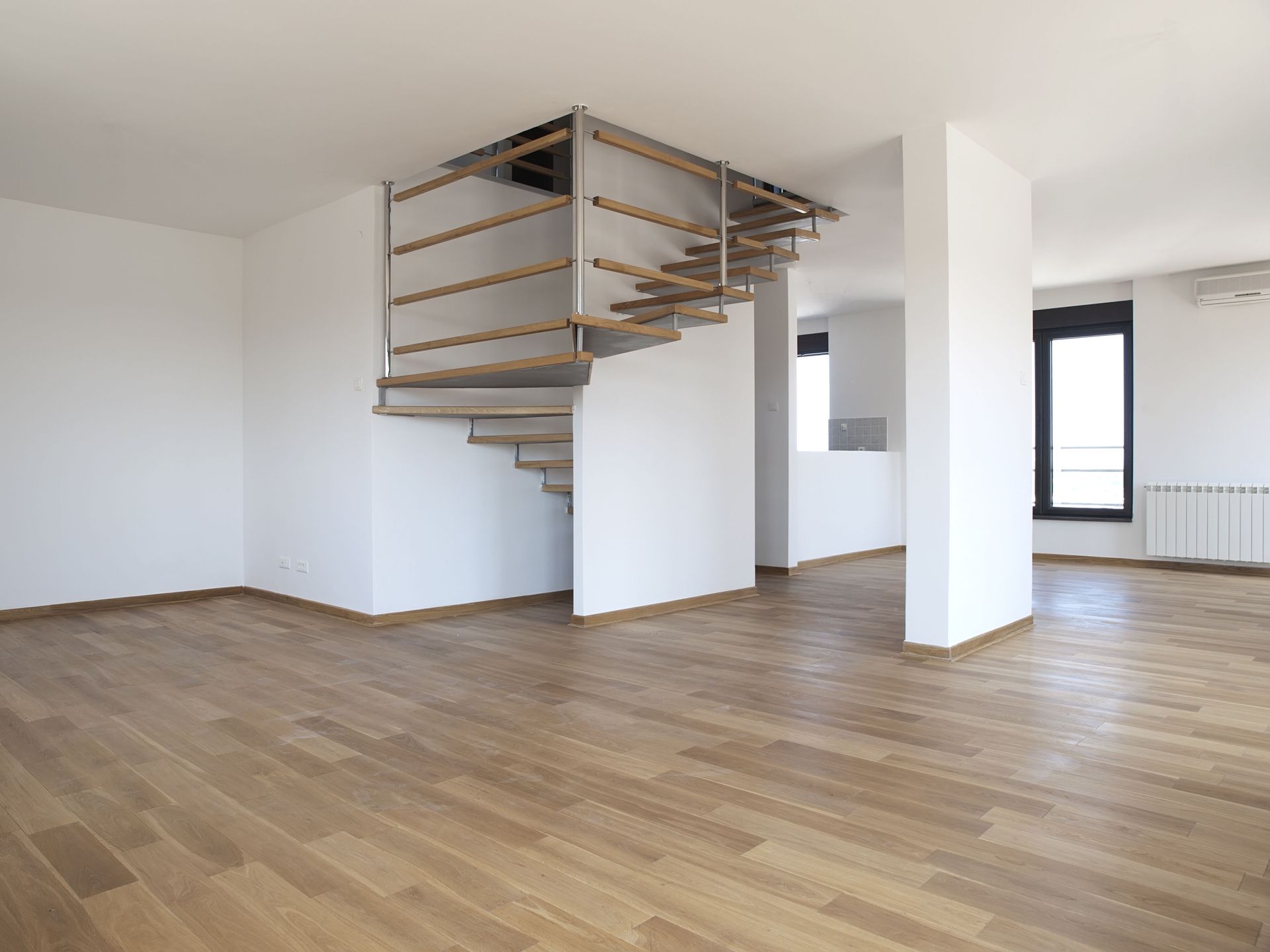
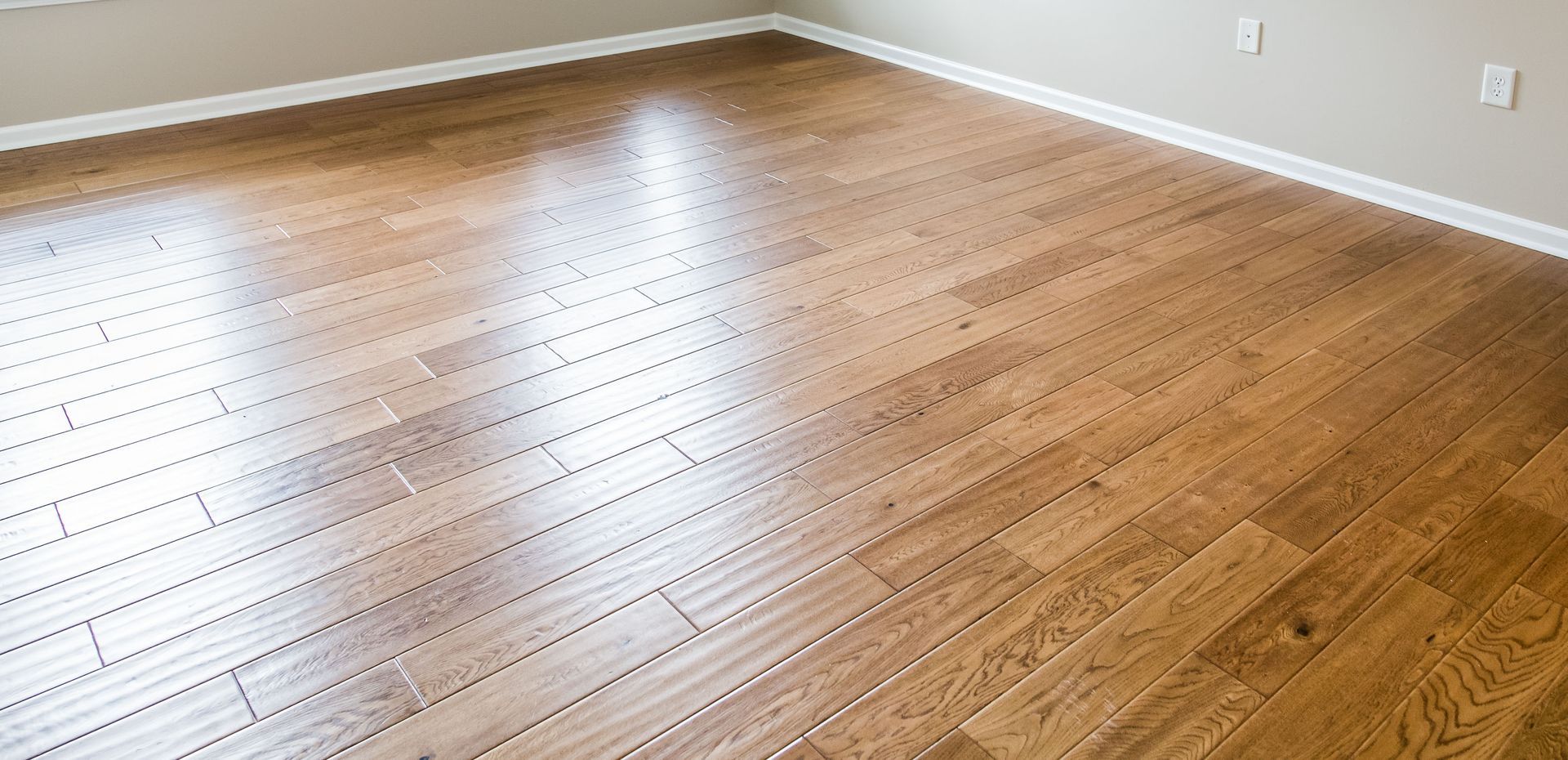
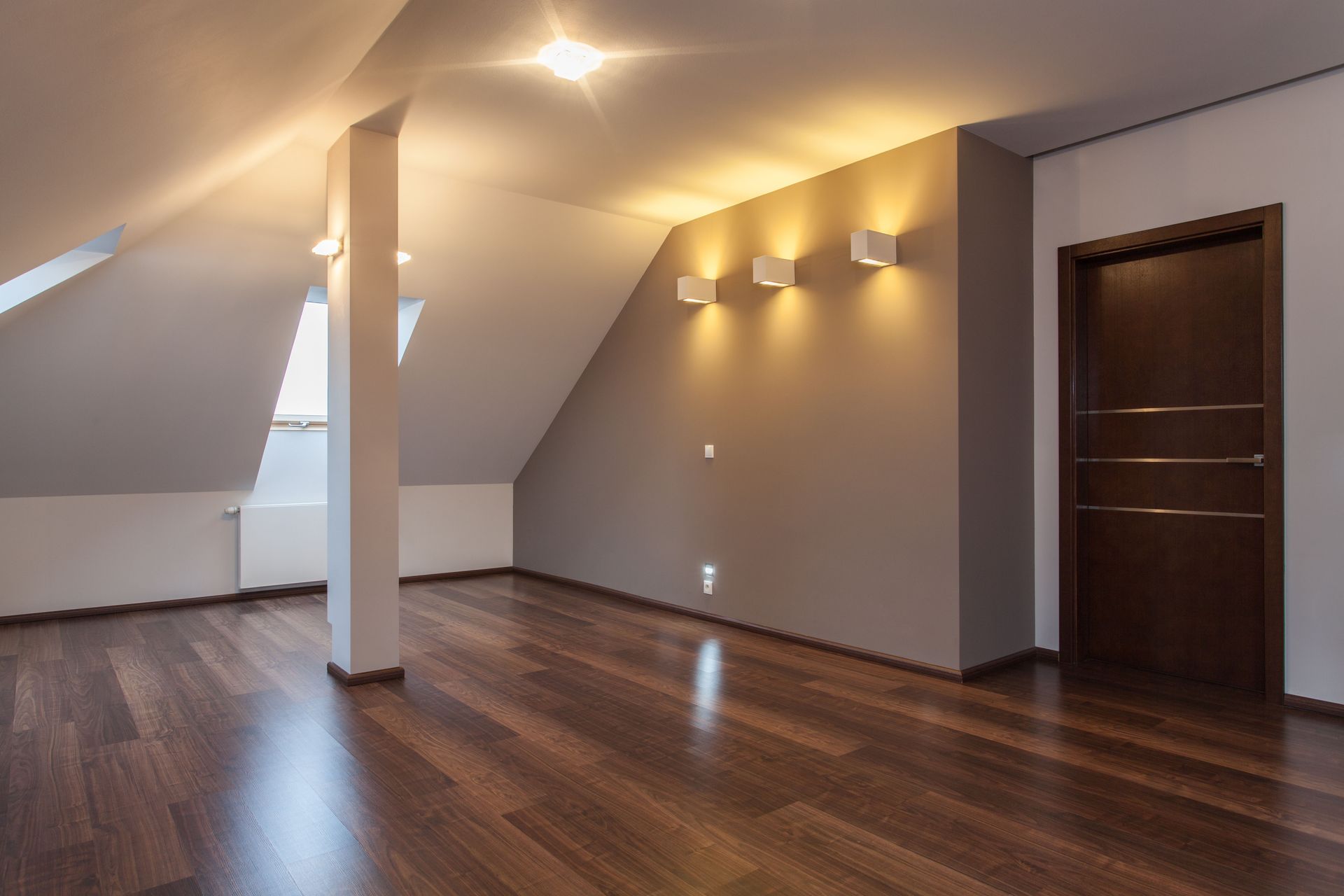
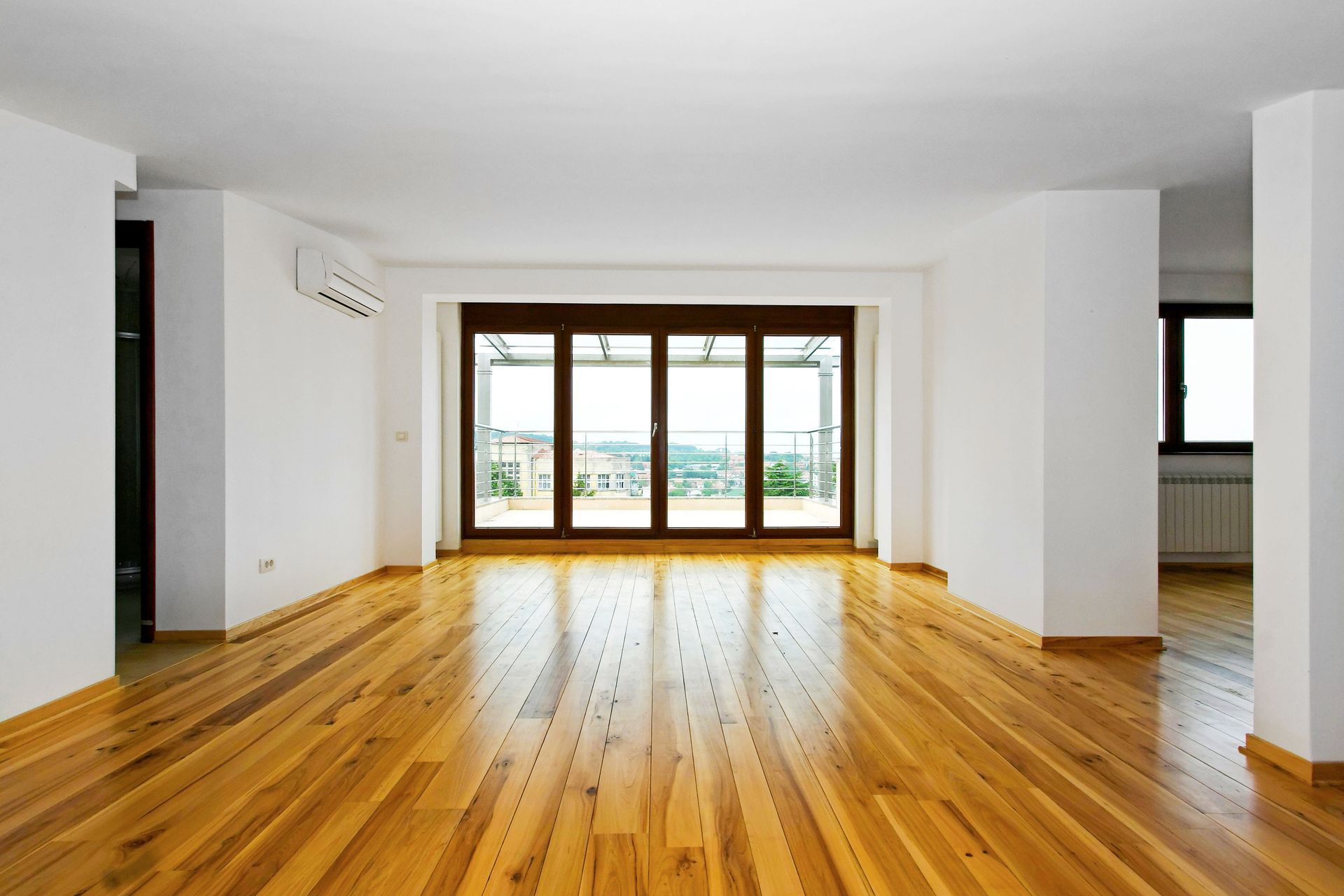
Hardwood flooring remains popular because of its natural beauty, durability, and timeless appeal. Available in species such as oak, cherry, and maple, it offers colors and grain patterns to complement different interiors. Although hardwood typically costs more than other materials, its longevity and ability to be refinished make it a worthwhile investment.
Professional flooring installation is particularly important for hardwood because the material must be acclimated to its environment. Installers also evaluate humidity levels and prepare the subfloor to help prevent warping and buckling. Hardwood is relatively easy to clean, although it may not be ideal for areas with frequent moisture exposure.
Laminate Flooring: Affordable and Stylish
Laminate offers an affordable alternative to natural materials while maintaining an attractive appearance. Designed to resemble hardwood or stone, it comes in numerous colors, textures, and patterns. Its layered construction provides durability, while the protective surface helps resist scratches, fading, and stains.
Professional flooring installation can improve laminate's appearance through accurate measurements, proper underlayment, and carefully fitted edges. Water-resistant varieties also provide versatility for kitchens and other areas where occasional spills are common. Its affordability and simple maintenance make it a practical option for many homes.
Tile Flooring: Versatile and Durable
Tile is valued for its durability, moisture resistance, and extensive design possibilities. Ceramic, porcelain, and natural stone options complement traditional or contemporary interiors. Available in different sizes, colors, and finishes, tile works particularly well in kitchens, bathrooms, and entryways.
Successful tile flooring installation requires a level subfloor, appropriate adhesives, and consistent grout spacing. Professional installers can make precise cuts around cabinets and fixtures, helping prevent uneven surfaces and cracked tiles. Although tile can feel cold underfoot, area rugs or underfloor heating can improve comfort.
Vinyl Flooring: Affordable and Water Resistant
Vinyl is a popular choice for homeowners seeking affordable, water-resistant flooring. Available in sheets, tiles, and planks, it can replicate wood or stone while providing a softer surface underfoot. Its resistance to moisture makes it especially useful in kitchens, bathrooms, and laundry rooms.
Proper preparation is essential because subfloor imperfections can become visible through certain vinyl products. Professional installers create smooth surfaces and secure seams to help prevent moisture from getting underneath. Vinyl also requires relatively little maintenance.
Carpet Flooring: Comfort and Warmth
Carpet creates a comfortable atmosphere, particularly in bedrooms and living rooms. Its different colors, textures, and pile heights allow homeowners to coordinate flooring with their interior designs. Carpet also absorbs sound, helping reduce noise between rooms.
Professional carpet installation involves accurate measurements, careful cutting, and proper stretching to prevent wrinkles. Regular vacuuming and occasional deep cleaning help maintain its appearance. Although carpet requires more upkeep than some hard surfaces, its warmth and cushioning make it appealing for many households.
Choosing the Right Flooring for Each Room
Living Room Flooring: Combining Style and Function
The living room should balance visual appeal with everyday comfort. Hardwood and laminate provide classic appearances, while carpet creates a softer environment for relaxing and entertaining. Vinyl and tile also work well when homeowners want durable surfaces that are easy to maintain.
Because living rooms often receive considerable foot traffic, material selection and proper flooring installation both matter. Professionals can create smooth transitions between adjoining spaces and recommend suitable underlayments. These details contribute to an attractive, comfortable finish.
Kitchen Flooring: Balancing Functionality and Aesthetics
Kitchens experience frequent spills and heavy daily use. Consequently, moisture resistance and durability should guide material selection. Porcelain tile and vinyl are popular choices because they are easy to clean and withstand everyday kitchen activities. Their variety of designs also makes it easier to coordinate floors with countertops and cabinets.
Kitchen layouts often include islands and cabinets that require precise measurements and cuts. Professional installers can account for these features while creating consistent edges and transitions. Selecting complementary materials helps create a cohesive space.
Bathroom Flooring: Prioritizing Water Resistance and Safety
Bathrooms require flooring that can withstand consistent moisture exposure. Porcelain tile, ceramic tile, and vinyl are suitable options because they resist water and offer a variety of styles. Textured finishes and slip-resistant surfaces can also improve safety.
Proper preparation and sealing are essential when installing bathroom floors. Professionals address moisture barriers, subfloor conditions, and edges around fixtures to help prevent water from reaching underlying materials. These details protect the surrounding structure while creating an attractive finish.
Bedroom Flooring: Emphasizing Comfort and Warmth
Bedrooms benefit from flooring that creates a relaxing atmosphere. Carpet offers cushioning and sound absorption, while hardwood and laminate provide alternatives for homeowners who prefer hard surfaces that are relatively easy to clean. Area rugs can introduce additional warmth.
Material selection should reflect personal preferences and maintenance expectations. Professional installation helps ensure accurate fitting around closets and doorways, while appropriate underlayment can improve comfort and reduce noise.
Home Office Flooring: Maintaining a Professional Appearance
Home offices require flooring that supports productivity and comfort. Hardwood and quality laminate offer a polished appearance, while carpet can reduce noise during virtual meetings. Durability is important because office chairs and furniture can cause wear over time.
Professional installers can evaluate the subfloor and recommend suitable materials. Protective finishes and chair mats help minimize damage, while appropriate underlayment contributes to a quieter workspace.
Recognizing the Benefits of Professional Flooring Services
Experience and Technical Knowledge
Different flooring materials require specific preparation methods, tools, and installation techniques. Professionals understand these requirements and can address challenges involving subfloors, room layouts, and transitions. Their experience helps produce consistent results while reducing the likelihood of expensive mistakes.
The flooring industry represents a substantial part of the residential improvement market. According to IBISWorld, the market size of the flooring installers industry in the United States is $33.8bn in 2026. This figure highlights the significant demand for professional flooring services.
Proper Preparation and Installation
A successful flooring project begins before the new material is placed. Existing floors may need to be removed, damaged subfloor sections repaired, and surfaces cleaned or leveled. Skipping these steps can lead to uneven finishes and premature wear.
Experienced installers understand how to prepare different surfaces and account for expansion gaps, moisture conditions, adhesives, and underlayments. Thorough preparation creates a stable foundation and supports long-term durability. Careful flooring installation also helps protect the finished surface from avoidable problems.
Time Savings and Long-Term Value
Flooring projects can involve considerable time and coordination, particularly when multiple rooms are involved. Professional services streamline the process by handling measurements, material preparation, cutting, and installation. Their experience can also reduce disruptions and avoidable delays.
Quality workmanship contributes to a home's value by improving its appearance and functionality. Properly installed floors are less likely to develop problems caused by poor fitting or inadequate preparation. Homeowners can also receive guidance on appropriate cleaning and maintenance practices.
Creating a More Attractive and Functional Home
Choosing the right flooring involves considering more than color or appearance. Each room has different requirements involving moisture exposure, foot traffic, comfort, and maintenance. Understanding the characteristics of hardwood, laminate, tile, vinyl, and carpet makes it easier to select suitable materials.
Professional flooring installation brings these decisions together through careful preparation, accurate measurements, and quality workmanship. Experienced installers help homeowners achieve results that enhance their living spaces and provide lasting value.
When you're ready to update your home's floors, turn to MJC Floor Finishing for professional guidance and quality workmanship. The right flooring choices and careful installation can make a meaningful difference in your home's comfort, appearance, and functionality.